
Every Minute Matters After a Stroke: Medanta Expert Stresses Early Recognition and Timely Treatment
Every Minute Matters After a Stroke: Medanta Expert Stresses Early Recognition and Timely Treatment
ucknow, August 6, 2026: A stroke is one of the most time-sensitive medical emergencies, where every passing minute can mean the loss of more than a million brain cells. Medical experts emphasize that recognising stroke symptoms early, seeking immediate emergency care, and beginning rehabilitation without delay can significantly improve survival, reduce disability, and enhance long-term recovery.
A stroke occurs when blood flow to a part of the brain is suddenly interrupted, either due to a blocked blood vessel (ischemic stroke) or a ruptured vessel (hemorrhagic stroke). Without oxygen and nutrients, brain cells begin to die rapidly, making prompt treatment critical.
Early Treatment Can Save Brain Function
Advances in stroke care have transformed treatment outcomes. Modern brain imaging allows doctors to quickly identify the type of stroke and determine whether patients are eligible for clot-dissolving medicines or minimally invasive procedures to remove blood clots.
However, many patients still reach hospitals too late because the warning signs are often ignored or mistaken for less serious conditions. Experts stress that public awareness remains one of the most effective ways to reduce stroke-related deaths and disability.
Recognise the Warning Signs
Medical experts advise seeking emergency medical attention immediately if any of the following symptoms appear:
- Sudden weakness or numbness on one side of the body
- Facial drooping
- Difficulty speaking or understanding speech
- Sudden loss of vision
- Severe dizziness or difficulty walking
- A sudden, severe headache without an obvious cause
Even if these symptoms improve within a few minutes, they should never be ignored, as valuable treatment time may be lost.
Rehabilitation Is Essential for Recovery
Stroke recovery continues long after emergency treatment. Early rehabilitation helps patients regain movement, speech, balance, memory, and confidence. Starting rehabilitation as soon as the patient is medically stable has been shown to improve independence and long-term functional recovery.
The brain's ability to reorganise itself—known as neuroplasticity—allows healthy brain areas to gradually take over functions lost due to stroke. Repetitive, targeted therapies strengthen these new neural pathways and support recovery.
Technology Is Improving Stroke Recovery
Modern rehabilitation techniques include:
- Robot-assisted therapy
- Advanced gait training systems
- Virtual reality-based rehabilitation
- Technology-enabled physiotherapy
- Speech and cognitive rehabilitation
These therapies help patients recover communication skills, swallowing ability, memory, attention, balance, and problem-solving abilities, enabling them to return to work and daily life more confidently.
Preventing a Second Stroke
Experts also stress the importance of reducing the risk of recurrent stroke by:
- Controlling high blood pressure
- Managing diabetes and high cholesterol
- Treating irregular heart rhythms
- Exercising regularly
- Eating a balanced diet
- Avoiding tobacco
- Limiting alcohol consumption
- Taking prescribed medications consistently
Expert View
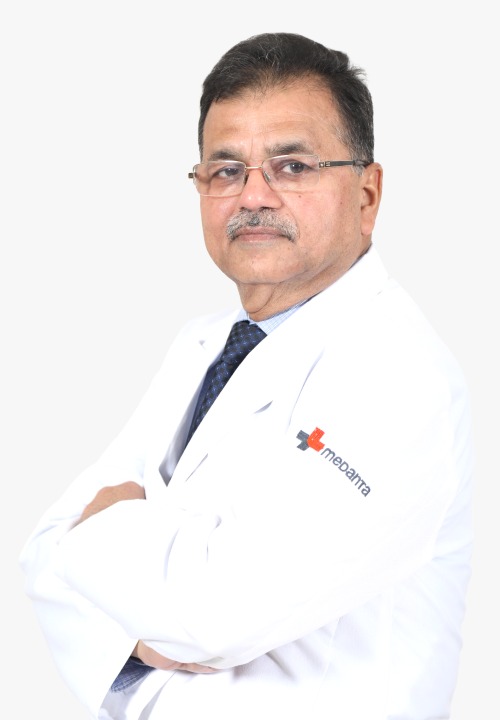
Dr. Anup Kumar Thacker, Director – Neurology, Medanta Lucknow, said that stroke is no longer the life-altering diagnosis it once was for many patients because of advances in emergency care, neurological treatment, and rehabilitation. However, he emphasized that these advances are effective only when patients receive medical attention without delay. Recognising the warning signs, acting immediately, and committing to rehabilitation together provide the best opportunity to save lives, preserve brain function, and restore independence after a stroke. Dr. Thacker will also be a panellist at the Medanta Neuro Conclave, scheduled to be held at Medanta Lucknow on August 9, 2026.