
Every Second Matters in Stroke Treatment; Timely Care Can Save Lives and Prevent Disability
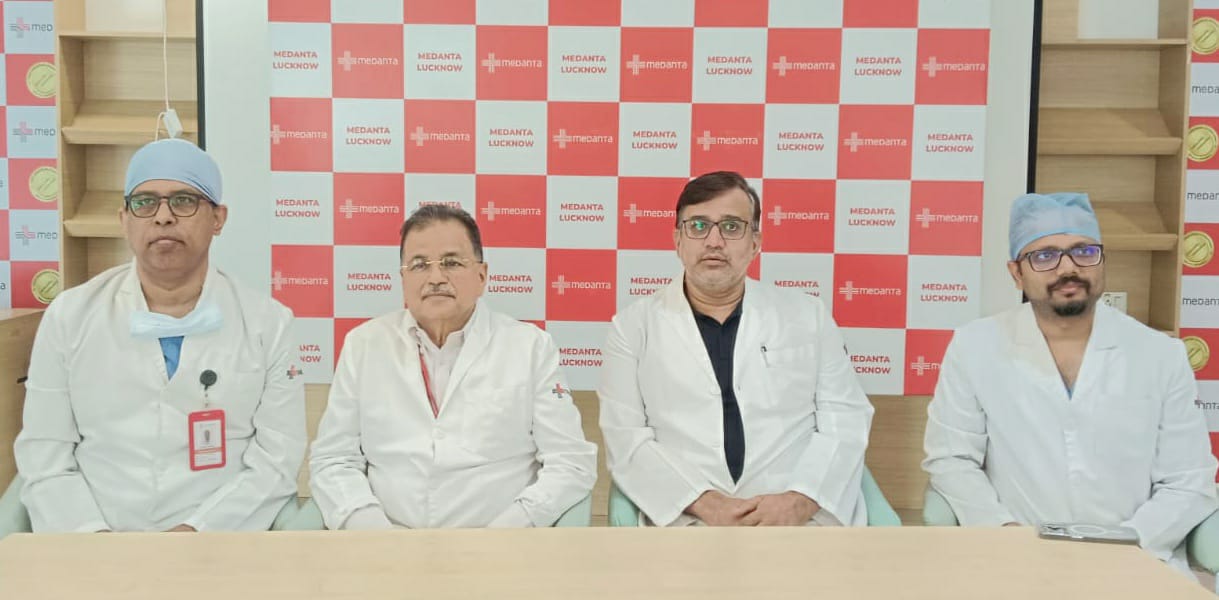
Lucknow, July 11, 2026: Around 1.8 to 2 million people in India suffer from stroke every year. Stroke not only poses a significant risk of death but also remains the second leading cause of permanent disability worldwide. Given the high stakes, timely identification, immediate diagnosis, and early treatment are absolutely vital. During a comprehensive stroke awareness program organized at Medanta Hospital, leading specialists shared critical insights regarding stroke identification, modern treatment protocols, prevention, and long-term rehabilitation.
The event was attended by top medical experts, including Dr. Ravi Shankar (Director, Neurosurgery), Dr. Ratish Juyal (Director, Neurology), Dr. Kamlesh Singh Bhaisora (Director, Neurosurgery), and Dr. Rohit Agarwal (Director, Interventional Radiology).
Time is Brain: The Crucial 'Golden Hour' in Stroke Care
Addressing the gathering, Dr. Anup Kumar Thacker, Director of Neurology at Medanta Lucknow, emphasized that time plays the most definitive role in determining the patient's recovery. He urged the public to recognize the warning signs using the "BE FAST" framework:
-
B (Balance): Sudden loss of balance or coordination.
-
E (Eyes): Sudden vision changes or blurring in one or both eyes.
-
F (Face Drooping): One side of the face droops or is numb.
-
A (Arm Weakness): Sudden weakness or numbness in one arm or leg.
-
S (Speech Difficulty): Slurred speech or difficulty speaking and understanding.
-
T (Time to call): Time to rush to a stroke-ready hospital immediately.
Dr. Thacker noted that the first four and a half hours (4.5 hours) from the onset of symptoms constitute the 'Golden Hour'. During this window, administering IV Thrombolysis (a treatment that dissolves blood clots) can dramatically reduce the risk of long-term disability. Furthermore, at Medanta Lucknow, advanced medical interventions allow select stroke patients to be successfully treated using thrombolysis and mechanical procedures up to 24 hours after symptom onset.
Streamlining Healthcare: The 'Drip and Ship' System
To improve stroke outcomes across broader regions, experts highlighted the need for better infrastructure at the grassroots level. Dr. Thacker recommended that every district hospital be equipped with basic diagnostic tools—such as CT scans, blood pressure monitors, and blood sugar testing kits—along side the facility to administer initial IV thrombolysis. For severe cases requiring advanced neurological intervention, hospitals should seamlessly implement a "drip and ship" system, where the patient is stabilized with initial clot-busting medication and immediately transferred to a tertiary care facility.
Dr. Rakesh Kapoor, Medical Director and Director of Urology and Kidney Transplant Surgery at Medanta, reiterated Stroke is an absolute medical emergency where every single second matters. Timely medical intervention not only saves lives but effectively shields patients from a lifetime of debilitating disability. Spreading public awareness, maintaining a healthy lifestyle, and securing prompt medical care are our best weapons against this condition."
Prevention and Modern Rehabilitation Services
The panel of doctors underscored that managing stroke risk factors could drastically lower the country's stroke burden. Major risk factors include high blood pressure (hypertension), diabetes, smoking, and obesity. Drawing parallels with global healthcare models, experts noted that several Western countries achieved up to a 45 percent reduction in stroke cases simply by rigorously controlling blood pressure. Managing hypertension simultaneously diminishes the risk of developing critical heart diseases.
Furthermore, the medical community emphasized that patient care does not end at the emergency room. Dedicated rehabilitation centers offering structured physiotherapy, speech therapy, and psychological support are essential for helping survivors transition back to a normal, independent life. The speakers advocated for robust collaborations between medical colleges and premier technological institutions, such as IIT Kanpur, to develop new robotic and AI-driven assistive technologies for neurological recovery.
The program concluded with a powerful call to action: "Protect Every Life, Value Every Second." The experts collectively urged the public to entirely bypass home remedies or unverified local treatments when facing a suspected stroke, advising instead to head straight to a specialized emergency care facility, as immediate treatment remains the single most effective way to ensure survival.