
Lucknow’s Max Hospital Saves 35-Year-Old from Liver Transplant Using Advanced DIPS Procedure
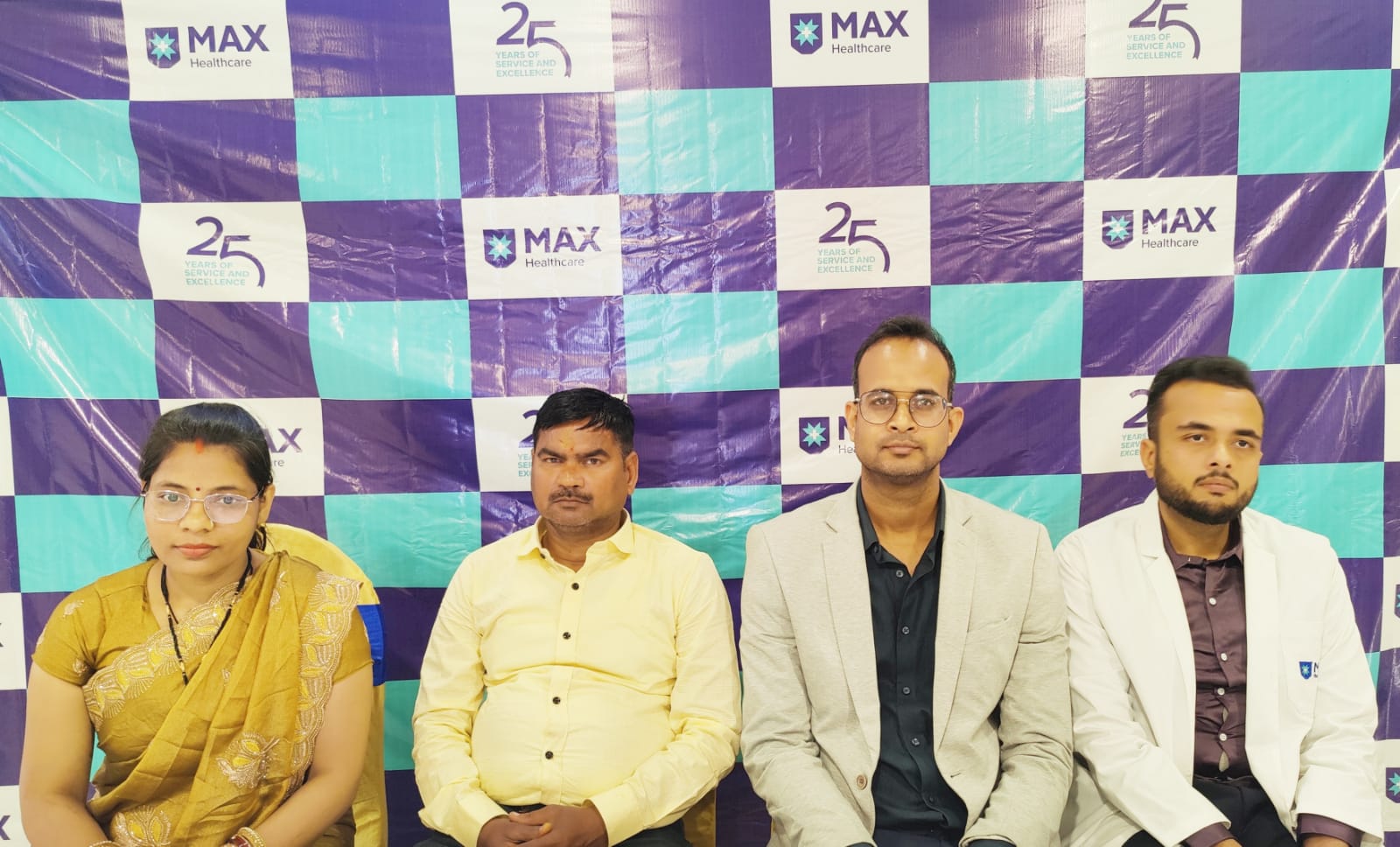
The Medical Crisis
The patient, Ms. Prema Yadav, a resident of Prayagraj, arrived at the emergency department in critical condition. She was suffering from severe jaundice, abdominal and leg swelling, persistent vomiting, and extreme physical weakness.
Clinical evaluations confirmed Acute Budd–Chiari Syndrome, a dangerous condition where blood flow out of the liver is suddenly obstructed—usually by a clot. Without immediate intervention, this condition leads to rapid liver failure. While a liver transplant is traditionally the final resort in such cases, the medical team at Max Hospital sought a more organ-preserving approach.
The Breakthrough: The DIPS Procedure
Following an urgent multidisciplinary meeting, the team decided to perform a DIPS (Direct Intrahepatic Portosystemic Shunt). This minimally invasive interventional radiology procedure involves creating an artificial pathway within the liver to bypass the blockage, thereby restoring normal blood flow and instantly relieving organ pressure.
The successful intervention was led by:
- Dr. Ajay Yadav (Director & Head – Gastrointestinal & Robotic GI Surgery)
-
Dr. Shahbaz Mohd. Khan (Associate Director – Interventional Radiology)
-
Dr. Swish Kumar Singh (Senior Consultant – Interventional Radiology)
Expert Insights
"In cases like this, early detection of declining liver function is vital," explained Dr. Ajay Yadav. "The DIPS procedure allowed us to stabilize the patient’s liver function quickly, effectively eliminating the need for an urgent and high-risk transplant."
Dr. Shahbaz Mohd. Khan highlighted the urgency of the situation, stating, "The patient was on the brink of acute liver failure. By engineering a new vascular route inside the liver, we prevented irreversible damage and cleared the significant fluid buildup that was causing her distress."
Dr. Swish Kumar Singh noted the diagnostic challenges: "Budd–Chiari Syndrome is often misdiagnosed as other liver ailments. This success story proves that with the right imaging and interventional expertise, even fatal vascular liver disorders can be managed without removing the original organ."
Rapid Recovery
The patient showed an exceptional recovery following the procedure. After being unable to find an accurate diagnosis in several other cities, Ms. Yadav was successfully treated and discharged in stable condition within just three days—all while keeping her natural liver intact.