
Panchkosi Parikrama Begins at Magh Mela with Prayers on the Triveni Banks
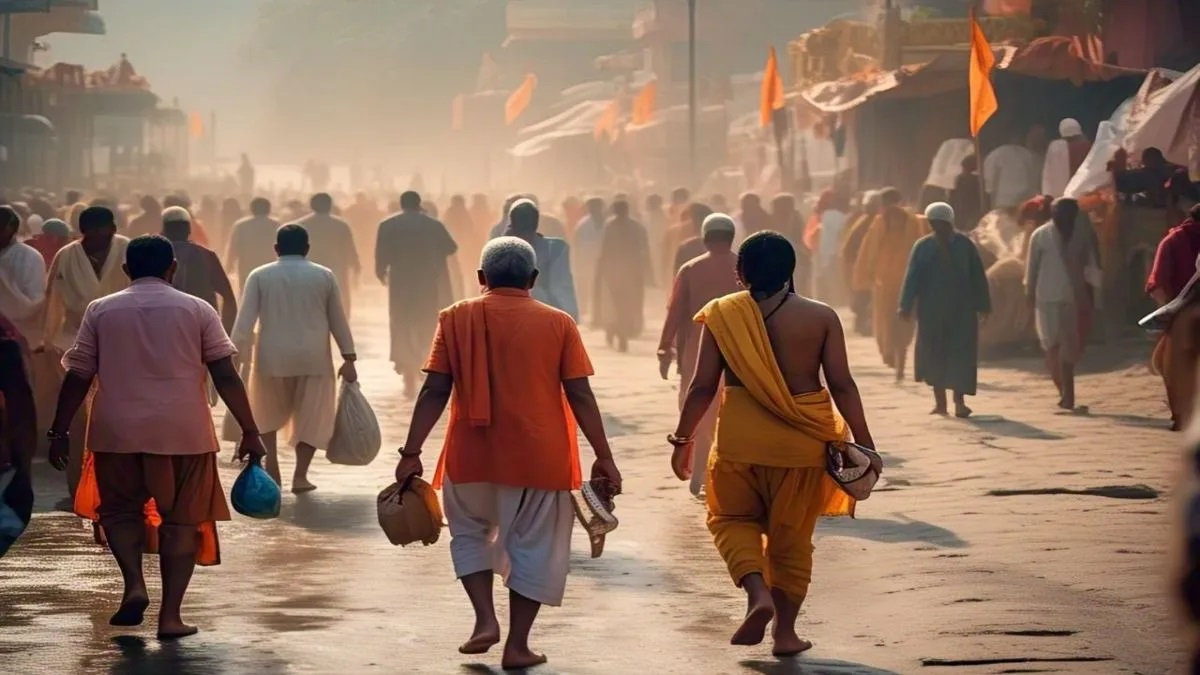
Following the Ganga Puja, the procession of saints visited the revered Akshayavat and the Adi Shankar Vimana Mandapam Temple, marking the completion of the first day’s religious observances. The pilgrimage will culminate with a Bhandara organised for saints and ascetics on the concluding day. The Magh Mela administration has been entrusted with traffic management and logistical arrangements during the yatra.
An Ancient Tradition of Prayag
Describing the spiritual significance of the Panchkosi Parikrama, Mahant Hari Giri, General Secretary of the Akhil Bhartiya Akhara Parishad, stated that the pilgrimage is deeply rooted in the traditional geographical and spiritual expanse of Prayagraj. Historically, the holy region is believed to span five yojanas and twenty kos, encompassing the sacred confluence of the Ganga, Yamuna, and Saraswati rivers.
The parikrama covers three revered zones—Antarvedi, Madhyavedi, and Bahirvedi—which include six riverbanks and numerous major and minor pilgrimage sites, temples, ashrams, and monasteries. Devotees believe that performing the Panchkosi Parikrama grants the spiritual merit of darshan of all sacred places within this holy landscape.
Revived After 556 Years
Mahant Ravindra Puri, President of the Akhil Bhartiya Akhara Parishad, who also participated in the pilgrimage, highlighted that the Panchkosi Parikrama was an integral part of the Magh Mela until it was discontinued 556 years ago during the Mughal era under Emperor Akbar.
He noted that after centuries and sustained demands from saints and ascetics, the revered tradition was revived in 2019 by the CM Yogi Adityanath government. Since then, the Panchkosi Parikrama has continued uninterrupted, restoring a vital spiritual and cultural legacy of Prayagraj.
The divine Magh Mela continues to resonate with centuries-old traditions such as Kalpavas and the Panchkosi Parikrama, reaffirming Prayag’s enduring role as a center of faith, culture, and spiritual consciousness.