
The Financial Crisis After a Stroke: Why Survival is Not Enough Without Insurance Support
The Missing Link in Recovery
For a stroke survivor, the period following hospital discharge is the most critical. This is when specialized therapies are needed to help a patient regain speech, movement, and cognitive functions. However, because most insurance providers do not cover "post-acute care," families are often forced to bear the massive financial burden of rehabilitation out of pocket.
Expert Insight: A Life Left Incomplete
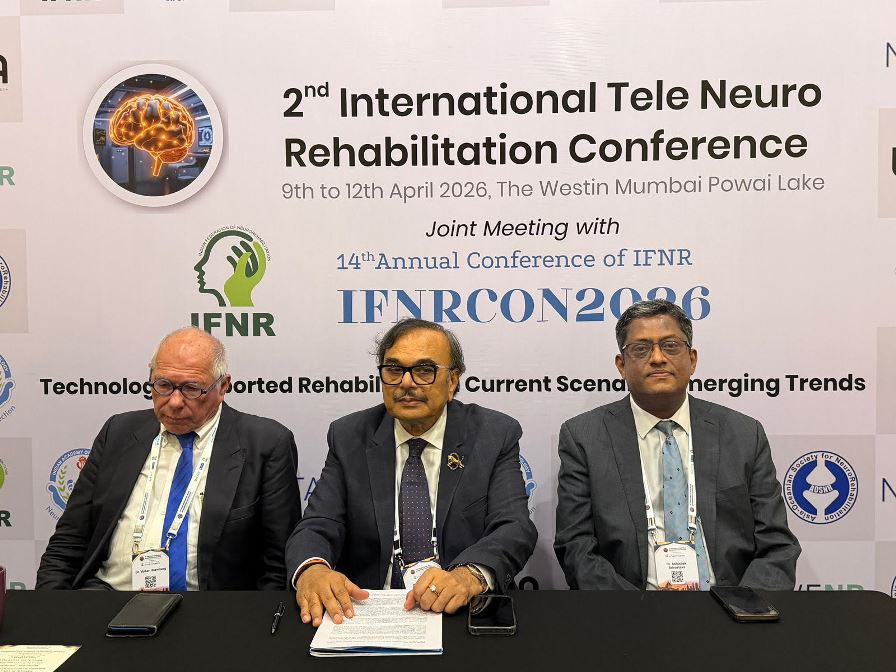
Healthcare leaders across Mumbai are advocating for a policy shift to address this gap:
-
Dr. Nirmal Surya, President of the Indian Federation of Neurorehabilitation, highlights the scale of the issue: "India records over 1.25 million new stroke cases annually. We are saving more lives than ever, but without structured rehabilitation, those survivors are often left living with significant, avoidable disabilities."
-
Dr. Abhishek Srivastava, a specialist at Kokilaben Hospital, notes that recovery is a marathon, not a sprint. "Continuous expert supervision and therapy are non-negotiable for recovery. The lack of insurance coverage for these services puts an immense strain on families already dealing with the trauma of the event."
Innovation vs. Accessibility
The future of stroke recovery looks promising with the advent of Robotics, Artificial Intelligence (AI), and Tele-neurorehabilitation. These technologies allow for precise, brain-stimulating therapies that can even be delivered remotely. However, without insurance backing, these life-changing innovations remain accessible only to the wealthy elite.
The Call for Reform
Medical experts believe that the definition of "treatment" must evolve. Integrating post-stroke care into standard insurance packages and making rehabilitation services more affordable is essential. This shift would ensure that stroke survivors do not just "survive" as dependents but can return to their daily lives with dignity and independence.